Star Chasers Mission School
Six weeks on a children’s ward. Real space engineers teach a topic each week, and the children plan a satellite mission of their own.
Week by week
Week 1: Welcome to Mission Control
What a satellite is and what it does all day. Children get their crew roles and choose a place on Earth for the mission to photograph.
Week 2: Getting to space
How rockets and orbits work. The crew picks a rocket and a launch date.
Week 3: Eyes in the sky
How satellites see Earth. A game of spot the difference with real satellite images.
Week 4: Build your satellite
What goes inside a satellite. The crew designs and makes a model of theirs, and names it.
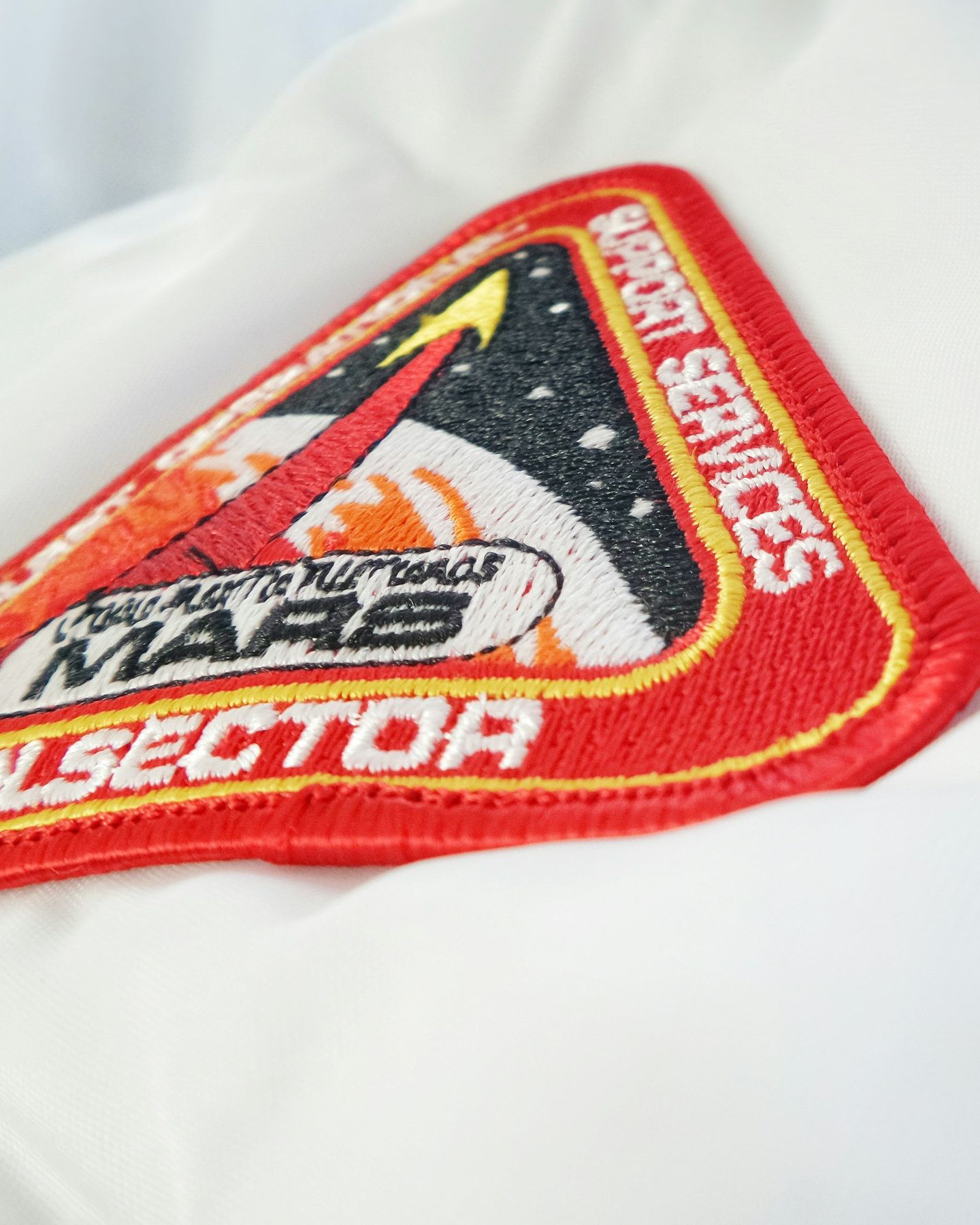
Week 5: Mission patch
Why every real mission has a patch. The crew designs theirs, then runs the final go/no-go check.
Week 6: First light
How pictures get down from space. The satellite photo of each child’s place is revealed live.
Every session also works on its own. A child who joins in week 4 still gets a crew role and still gets their place photographed.
How the lessons work
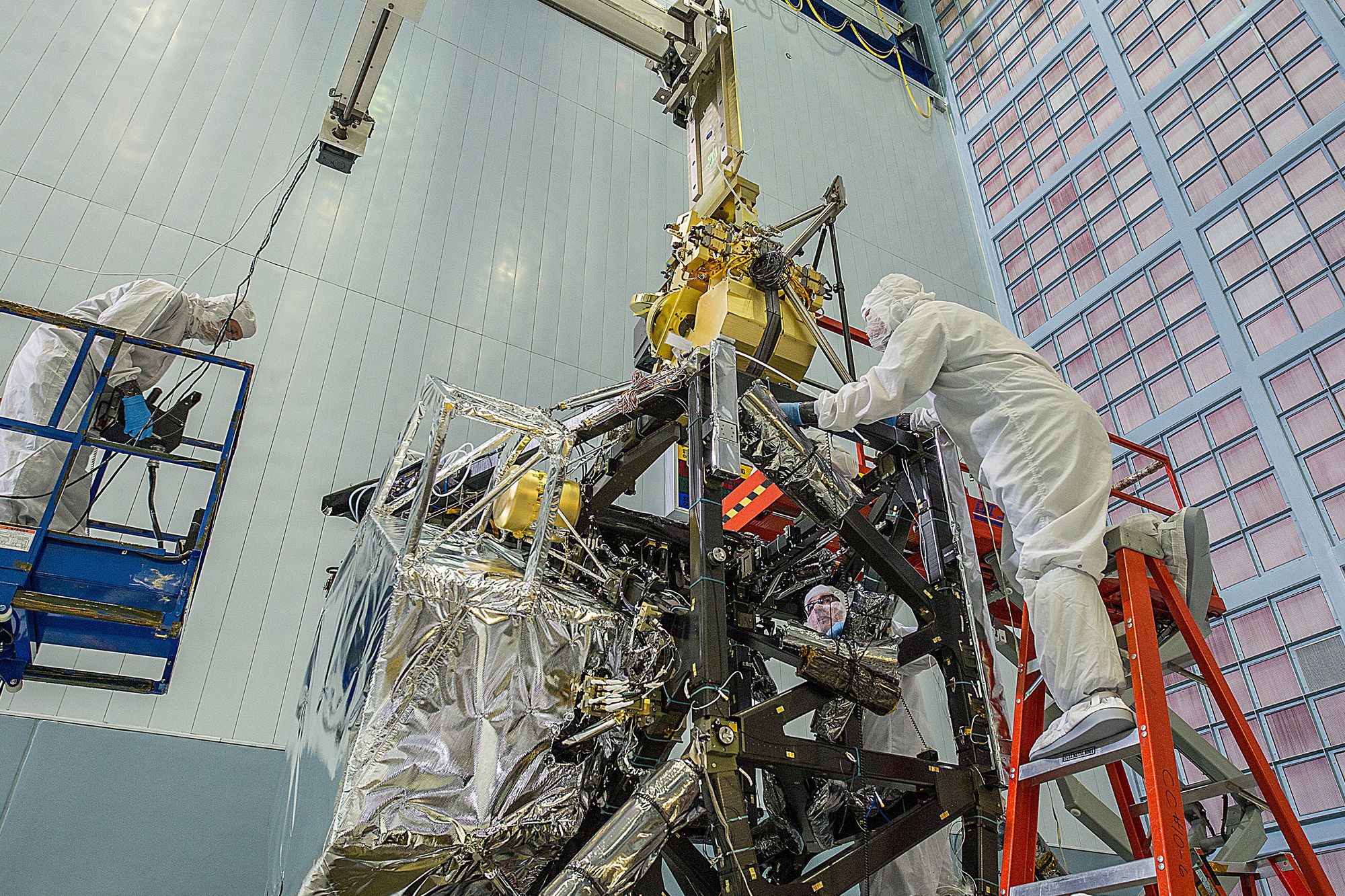
Each mission has a small team of two or three engineers who share the six weeks. Every week, one of them joins the ward live on video for 30 to 40 minutes, teaches one real thing, and helps the crew with the next step of the mission.
The play team puts the session on the ward screen and decides which children join and whether cameras are on. Children can just watch if they like. Hospital staff are always in the room, the Trust hosts every session, and we never record calls.
Teach a weekAs we grow
We’re starting with one six-week mission at one hospital. Once that works, we’d like to add some bigger moments: an International Space Station night over the hospital, children’s names flown on a real satellite, a radio call with an astronaut, a visit to a real mission control, and a crew naming a real satellite.
See what’s nextFor play teams
It costs the hospital nothing. It asks for about 40 minutes a week for six weeks.
Before week 1, a parcel arrives with everything for the sessions: crew role cards, satellite model kits, patch design sheets and blank flight logs. The patches and printed photos arrive before week 6. At the end we ask two questions: how many children took part, and what they loved.
Their place from orbit
A real satellite photo of the place they chose: a volcano, a rainforest, a favourite beach.
A mission patch
Embroidered with the crew’s own design, like the ones astronauts wear.
A flight log
Their role, what they learned each week and their photo, signed by the engineers.
Hello, Star Chasers.
Welcome to the crew. Over six weeks you’ll learn how real space missions work, from the people who build them, and plan one of your own. You’ll get a crew role too. Flight director? Imaging lead? Rocket engineer?
- Pick a place on Earth you’d love to see from space. Anywhere at all.
- Help design your crew’s satellite and give it a name.
- Draw the mission patch. Every real space mission has one.
On mission day, you’ll see your place from orbit.
Work on a children’s ward?
We’re starting with one hospital, and we’d like to hear from play specialists who might want Mission School on their ward later. Tell us your hospital, your ward and what your children are into at the moment.