Children plan a real space mission.

Six weeks on the ward with real space engineers. Every child gets a crew role and picks a place on Earth. At the end, a real satellite photographs it.
Children on long hospital stays get asked how they’re feeling all the time. Hardly anyone asks them which volcano they’d like to photograph from space. Star Chasers does.
What every child gets
Six sessions with real engineers
Once a week, someone who builds satellites for a living joins the ward on a video call and teaches one real thing.
A crew role
Flight director, imaging lead, rocket engineer. Everyone has a job, including anyone who joins halfway through.
Their own mission
The crew plans a satellite mission together. They pick the rocket and the launch date, then name the satellite and design the patch.
A place on Earth
Each child chooses somewhere they’d like to see from space: a volcano, a rainforest, a favourite beach.
The reveal
In week six, a real satellite has photographed every chosen place. The pictures go up on the ward screen, one by one.
Things to keep
The satellite photo of their place, an embroidered patch with the crew’s design, and a flight log signed by the engineers.
Six weeks on the ward
Once a week, for 30 to 40 minutes. Each week has one topic and one step of the mission. A child who joins late still gets a role and still gets their photo.
- 1
Welcome to Mission Control
Crew roles. Pick a place on Earth.
- 2
Getting to space
Rockets and orbits. Choose a launch date.
- 3
Eyes in the sky
Spot the difference, with real satellite images.
- 4
Build your satellite
Make a model and name it.
- 5
Mission patch
Design it. Final go/no-go.
- 6
First light
Every child’s place, seen from orbit.
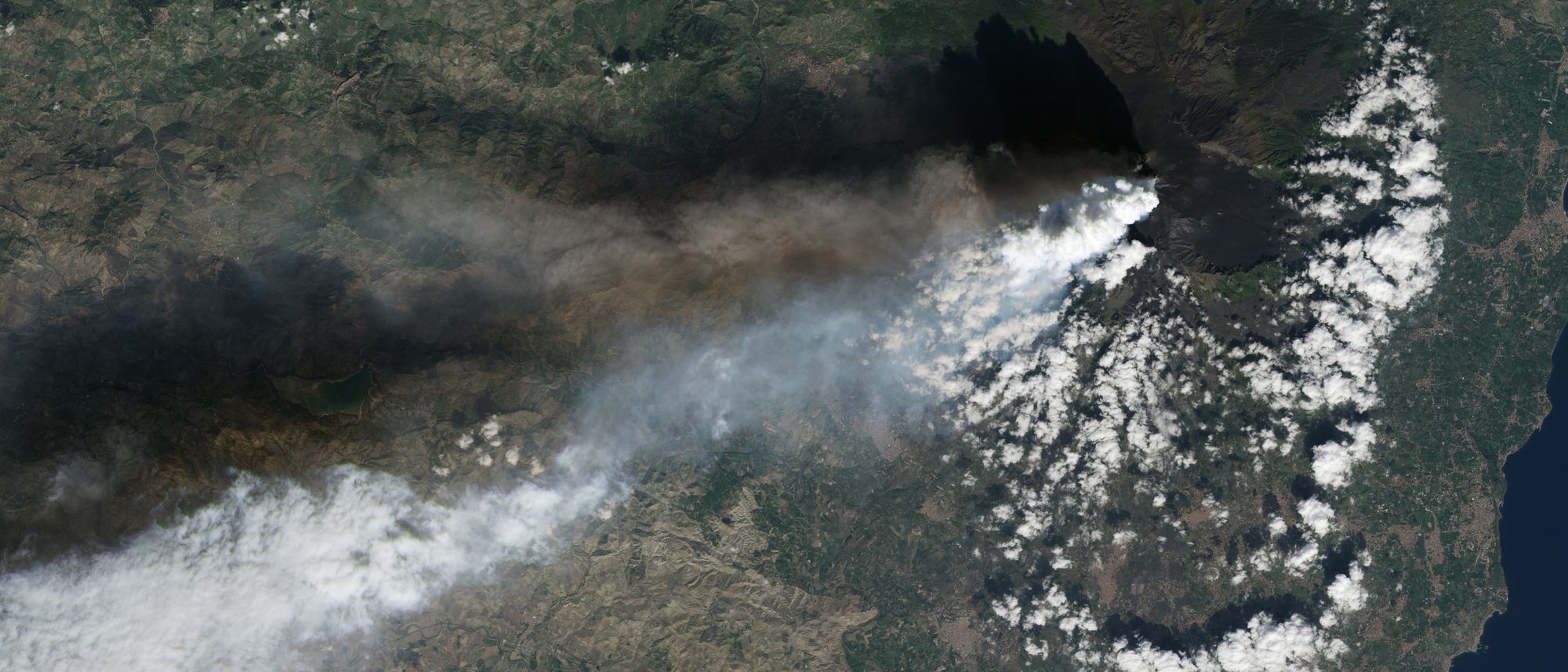
This is Mount Etna, seen by a Landsat satellite. In week six, each child sees their own place like this, and the print goes home with them.
puts one child through Mission School.
sends a whole ward on a mission.
Every way to give helps
- Events at work. Bake sales, quizzes, launch watch parties. Our free kit does the work.
- Galas and dinners. A Star Chasers evening, with an engineer on stage.
- Sponsorship. A mission, a hospital, a region or one of the bigger moments.
- Major gifts and grants. From people, trusts and foundations.
- One-off and monthly gifts. Opening once we’re registered.
We named the Trust in November 2026 and we’re registering as a charity now. The first mission runs with one hospital play team in early 2027. Here’s where it goes after that.